

Quelques définitions
Qu’est-ce que le pastoralisme ?
Littéralement, le terme « pastoral » signifie « qui appartient aux pasteurs ou aux bergers ». Pour l’Association Française de Pastoralisme (AFP), « le pastoralisme regroupe l’ensemble des activités d’élevage valorisant par un pâturage extensif les ressources fourragères spontanées des espaces naturels, pour assurer tout ou partie de l’alimentation des animaux ».
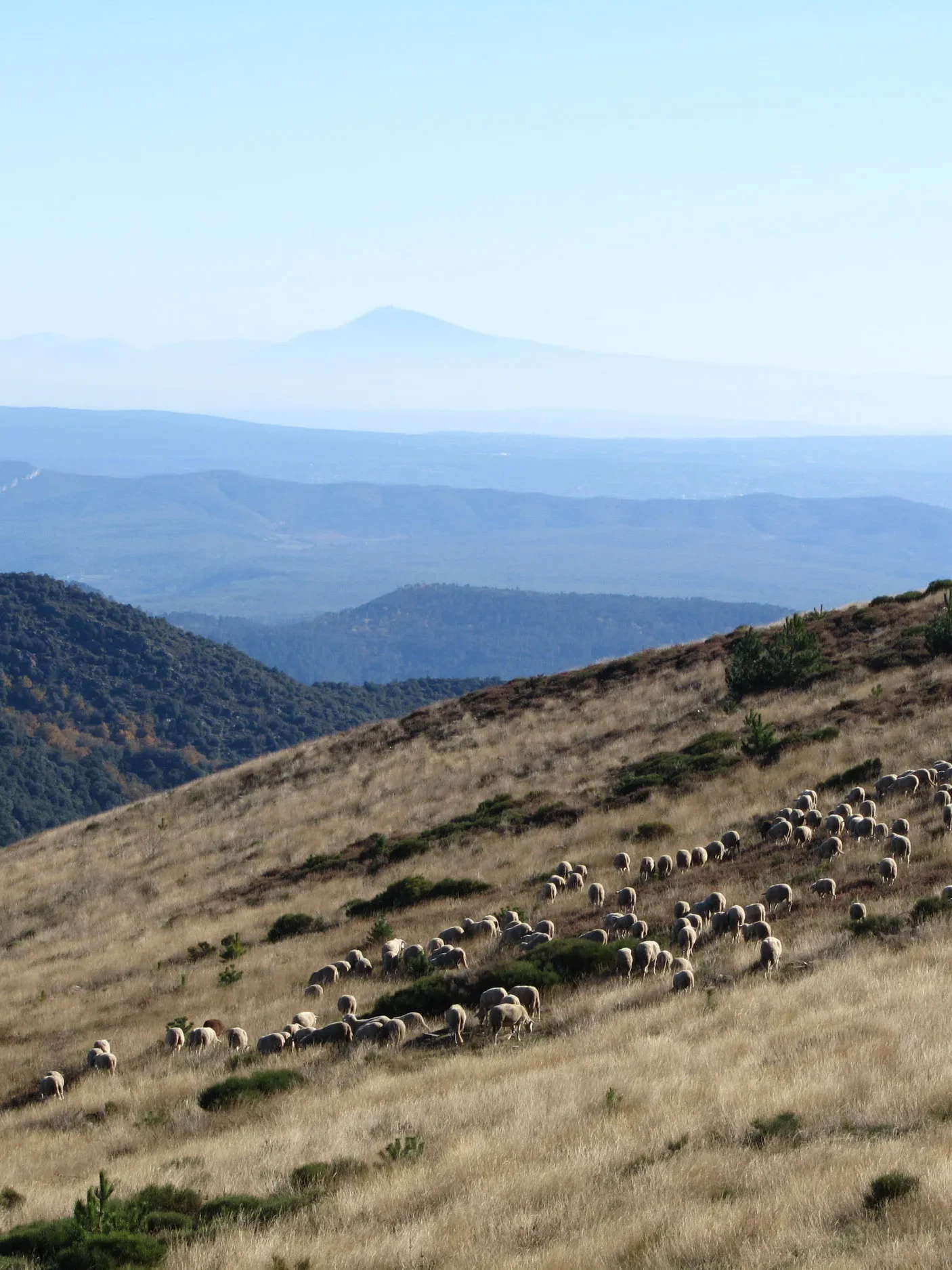
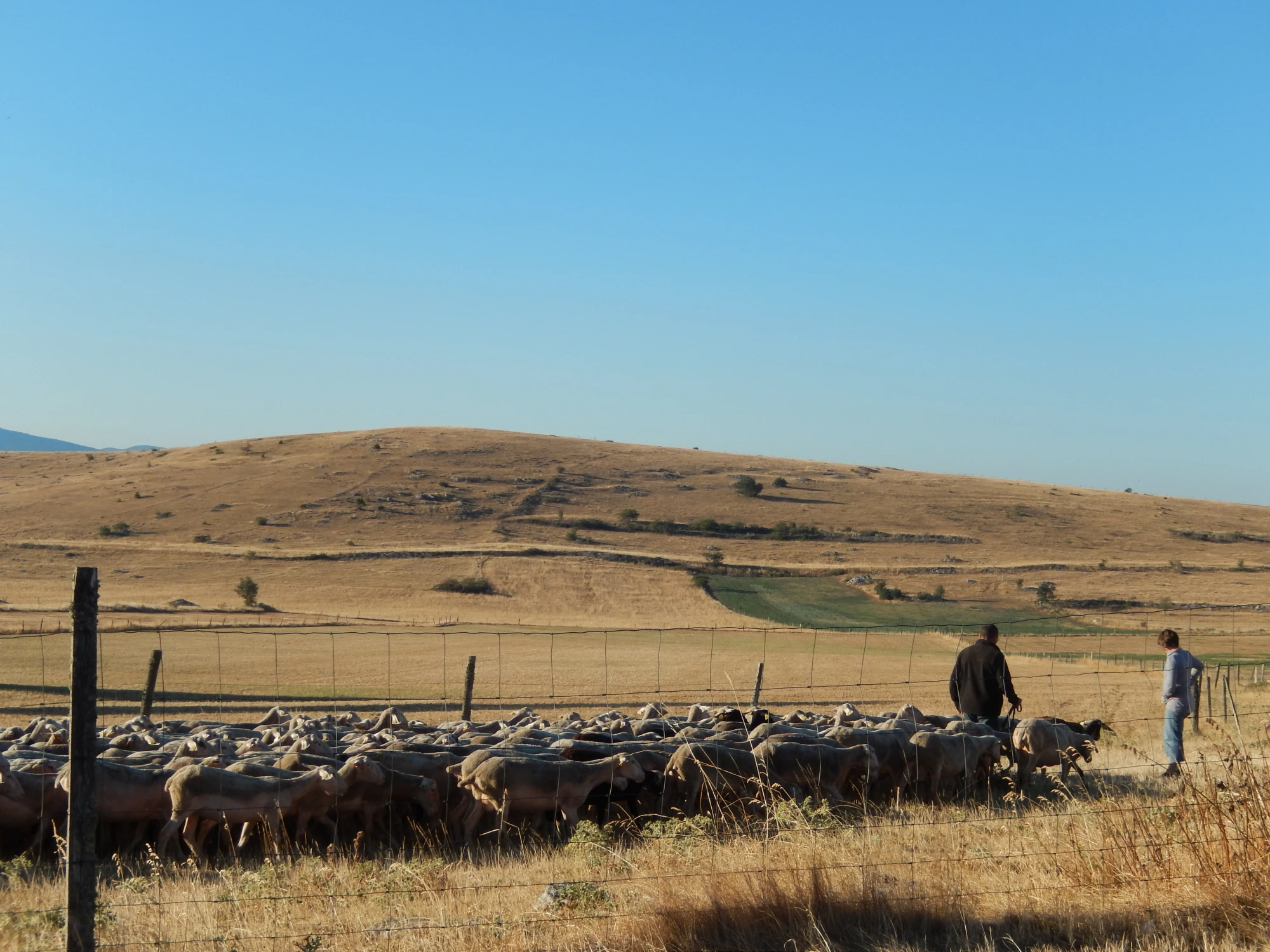
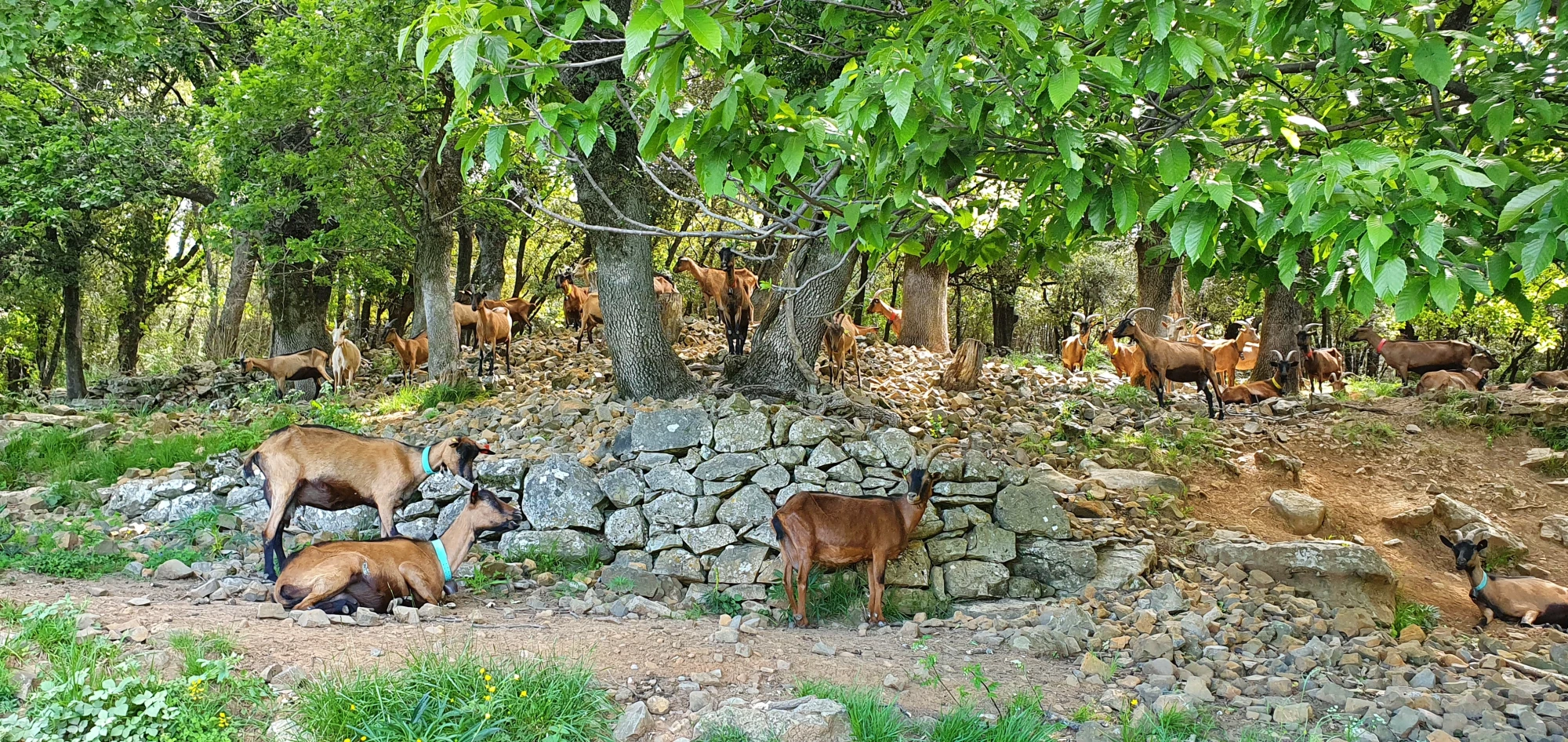
Dans les élevages pastoraux, les troupeaux pâturent des espaces, souvent difficilement mécanisables, aux végétations variées : des parcours ouverts de pelouses, de landes ou des parcours boisés. Ces espaces sont caractérisés par une grande valeur patrimoniale et environnementale et en pâturant, les troupeaux participent au maintien des milieux, des espèces et à l’entretien des paysages et des territoires.
En France, le pastoralisme est considéré d’intérêt général par le Code Rural (art. L113-1 & L113-2) et comme contribuant à l'identité territoriale.
Et l’agropastoralisme ?
On parle d'agropastoralisme quand le pastoralisme est étroitement associé à des productions végétales permettant de compléter l’alimentation par des fourrages mais aussi des céréales produits sur la ferme. Traditionnellement, ces cultures étaient concentrées sur les terrasses en Cévennes et au sein des dolines sur les Causses.
L’agropastoralisme est une activité économique traditionnelle mais aussi moderne qui recouvre une très grande diversité de systèmes de production. Différentes formes d’agropastoralisme coexistent aujourd’hui sur le territoire des Causses et des Cévennes et leur influence sur les paysages constitue le fondement de la Valeur Universelle Exceptionnelle (VUE) qui a légitimé l’inscription de ce territoire sur la Liste du patrimoine mondial de l’UNESCO.
Quelques chiffres
L'inscription des Causses et des Cévennes sur la Liste du patrimoine mondial de l'humanité met donc en avant l'histoire et la vocation agropastorale de ce territoire. Aujourd’hui encore cette activité continue de jouer un rôle actif sur le territoire. Ainsi, les 1 400 exploitations en activité sont majoritairement orientées en production animale et génèrent plus de 2 000 emplois (Recensement Agricole 2020). Le cheptel se répartit entre les ovins (140 000 têtes), les caprins (8 500 têtes) et les bovins (8 500 têtes) (Agreste 2011).

Diversité des systèmes agropastoraux
Les systèmes agropastoraux sont fondés totalement ou partiellement sur l’élevage extensif sur parcours. Selon l’importance que représente le foncier pastoral (végétation semi-spontanée) dans la Surface Agricole Utile (SAU) de l’exploitation, on pourra qualifier un système de “grand pastoral” ou de “petit pastoral”. Le taux de pastoralisme (part de l’alimentation du troupeau issu des parcours) peut aussi être très variable. Certains troupeaux ne pâturent les parcours que pendant les mois de tarissement tandis que d’autres y sont toute l’année.
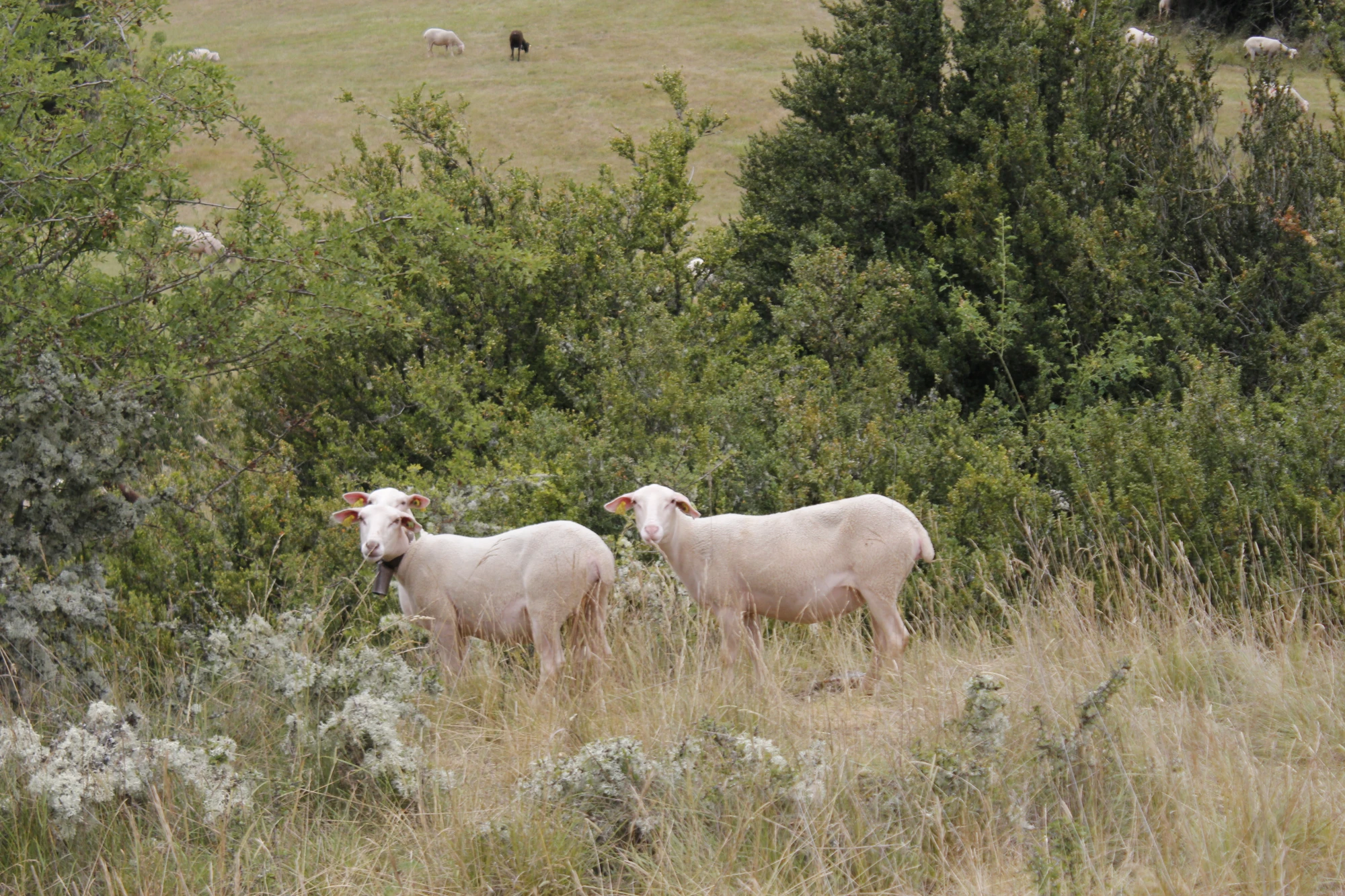
Les causses sont caractérisés par de grandes structures d’élevage (162 ha en moyenne) à dominante ovin-lait (397 exploitations de 372 brebis en moyenne). On y trouve également des systèmes ovin-viande (241 exploitations de 218 brebis en moyenne). S’y développent des troupeaux bovin-viande, souvent comme atelier complémentaire de l’atelier de production ovin.
Les différents massifs granitiques concentrent les élevages bovin-viande. On y rencontre aussi, dans une moindre mesure, des élevages ovin-viande sédentaires. C’est aussi sur ces espaces que les troupeaux ovin-viande transhumants passent l’été.
Dans les vallées et crêtes cévenoles, les exploitations sont de plus petites structures (23 ha en moyenne) et plus diversifiées. Les éleveurs réalisent souvent de la transformation et de la vente directe et développent d’autres productions (châtaignes, petits-fruits, Plantes à Parfum, Aromatiques et Médicinales, légumes) mais aussi d’autres activités comme la cueillette ou l’agritourisme (gîtes, chambres d’hôtes, fermes auberges…).
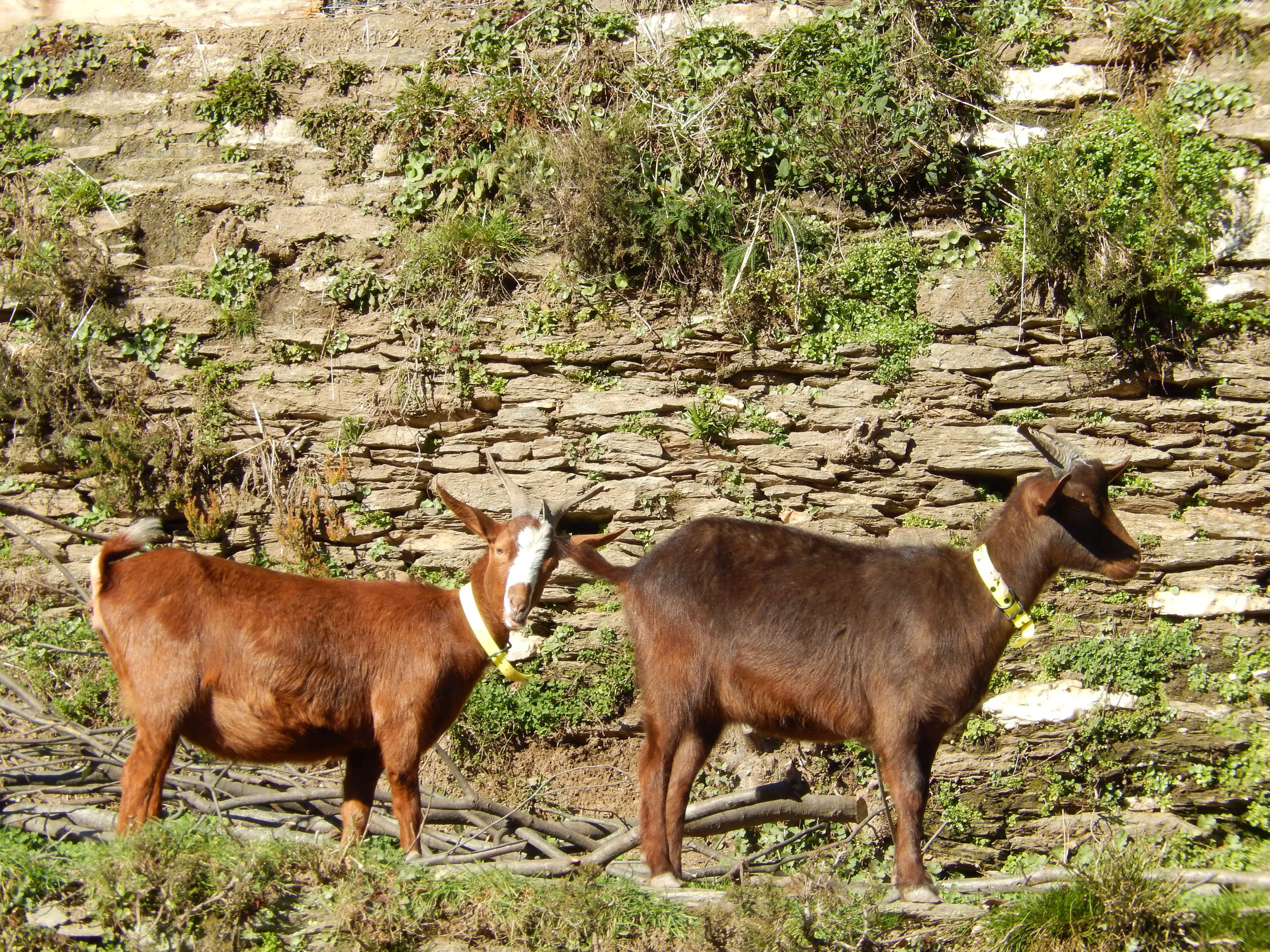
20 % des exploitations ont un atelier principal caprin avec 52 chèvres en moyenne. Certains en système laitier livrent leur lait à la coopérative de Moissac pour la fabrication de fromages AOP Pélardon. D’autres sont dits fermiers : les éleveurs transforment eux-mêmes le lait en fromage ou autres produits. 30 % des exploitations ont un atelier ovin-viande de 85 brebis en moyenne, 20 % un atelier de production bovin-viande et 8 % ont des chevaux.